
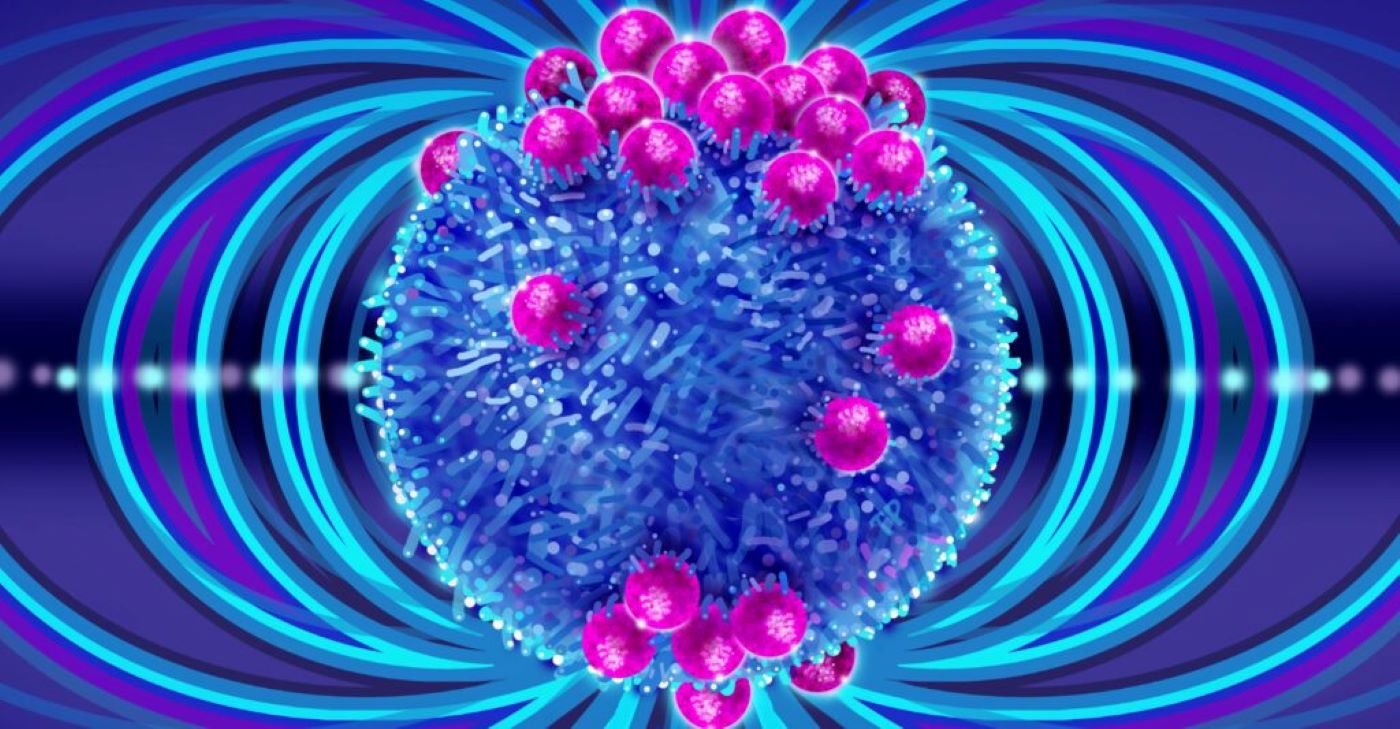
Artificial antigen presenting cells (aAPC) are cell-based or synthetic material-based three-dimensional platforms capable of activating an anti-tumor T cell response.
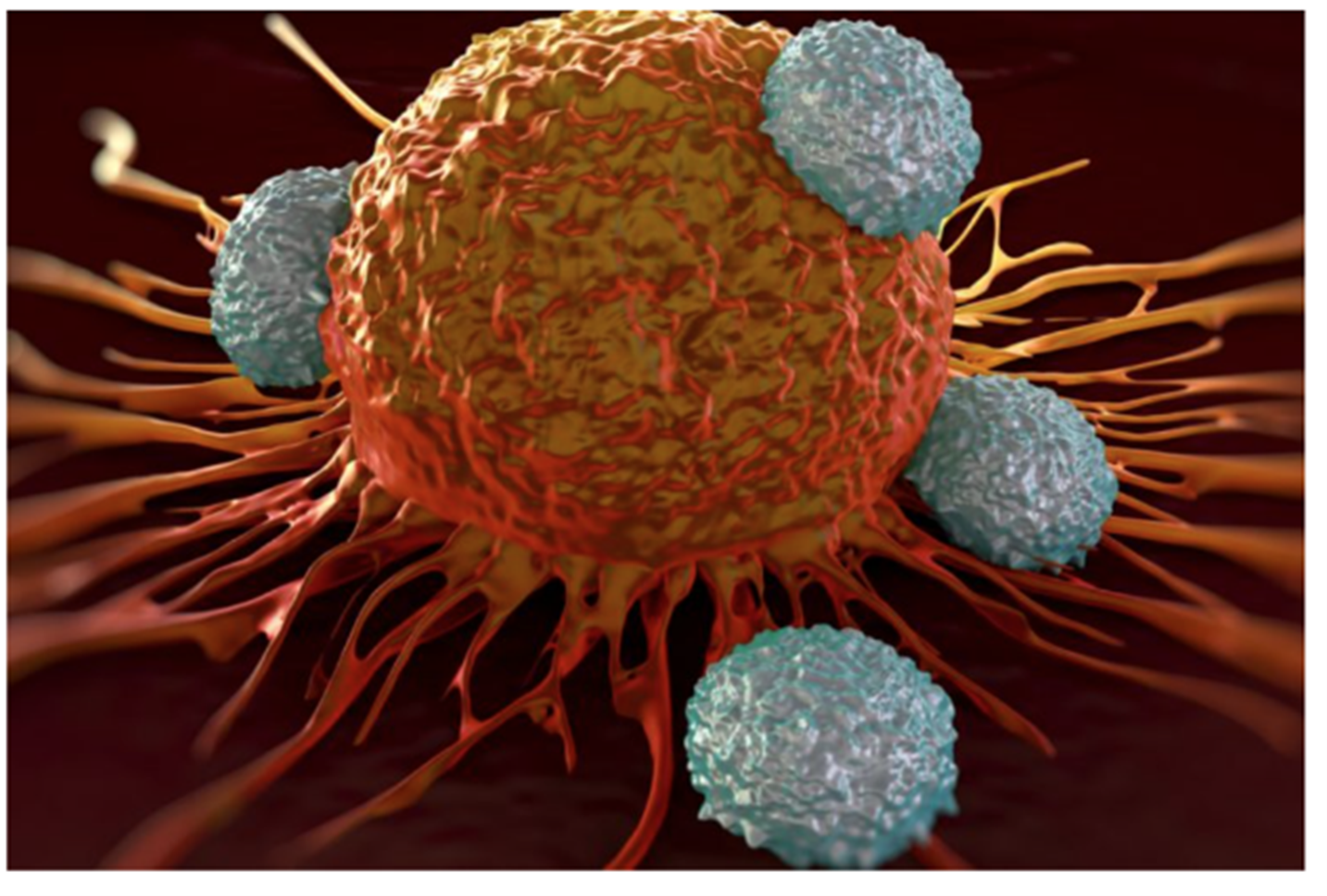
Immunotherapy/Immunology
Effective immune responses are critical for control of infectious diseases as well as in protection from development of tumors. Central to the development of an effective immune response are T lymphocytes. Efficient T cell responses lead to sterilization, and long-lasting immunity. While normal immune responses are tightly regulated there are also notable defects leading to pathological diseases.
Learn More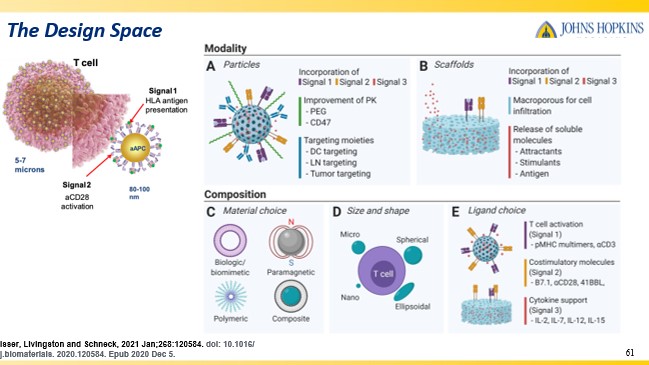
Artificial Antigen Presenting Platforms
In the lab we use a variety of artificial antigen presenting platforms. These can be grouped into two large categories: artificial Antigen Presenting Cells, aAPC, and artificial injectable Lymph Nodes, aLN.
Read More
JH-TIE (Translation Immunotherapy)
The Johns Hopkins Center for Translational ImmunoEngineering, JH-TIE, is a member of the National Centers for Biomedical Imaging and Bioengineering (NCBIB) network, which is supported by the National Institute of Biomedical Imaging and Bioengineering.
Continue ReadingResearch Interests
Adoptive T cell therapy has shown great promise in mediating tumor regression, yet it is an extremely costly and time-consuming process to isolate patients’ cells, expand them to large enough numbers and reinject patients.
tba
