
Learn aLN
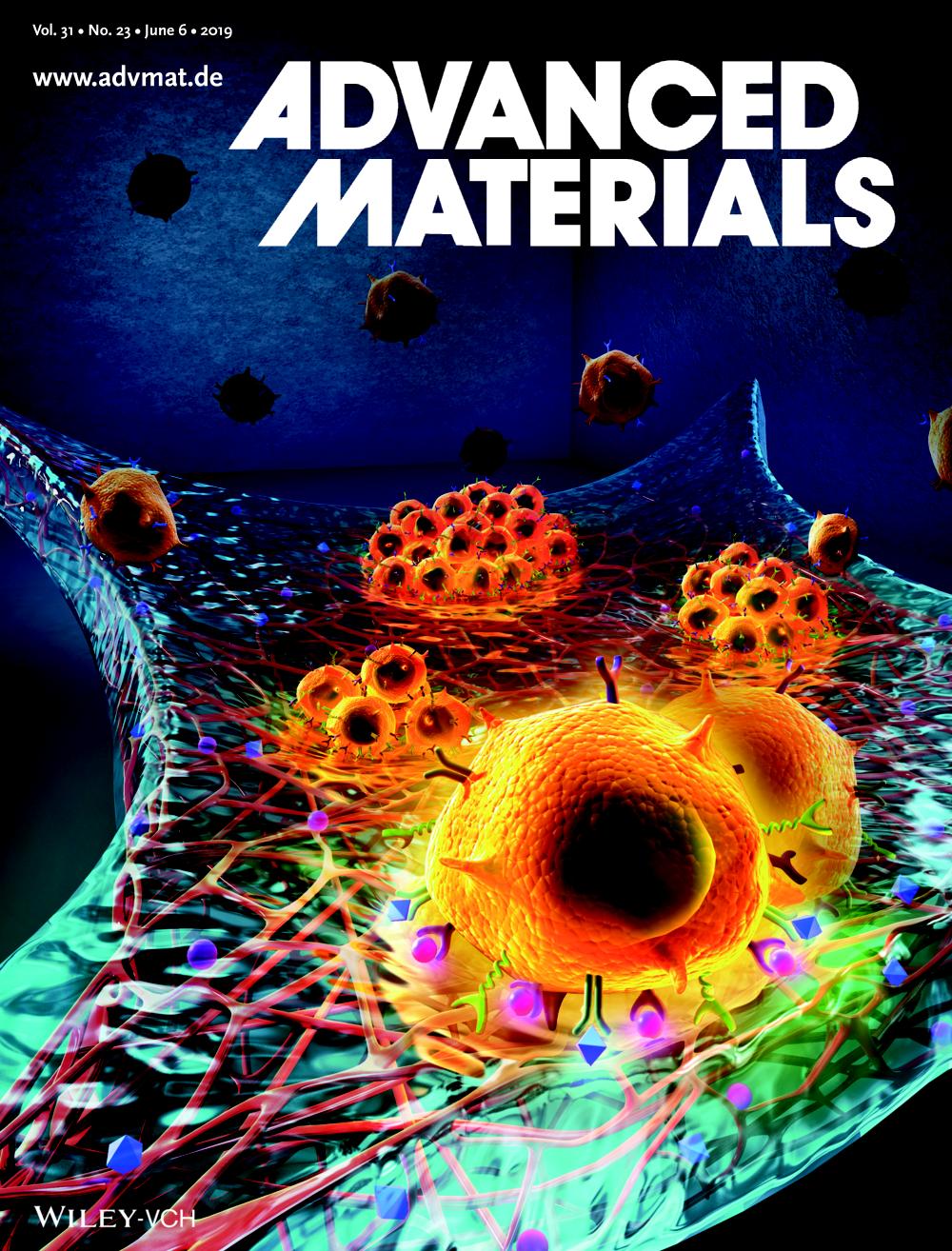
Adoptive T cell therapy has shown great promise in mediating tumor regression, yet it is an extremely costly and time-consuming process to isolate patients’ cells, expand them to large enough numbers and reinject patients. Often these cells can become exhausted due to such high levels of stimulation and being in an environment not similar to the body. Our lab takes inspiration from the tissue and stem cell engineering fields which have shown that ex vivo culturing conditions influence cell phenotype and activity and aims to engineer more in vivo like environments for T cell culture ex vivo. These microenvironments are termed artificial lymph nodes. We further aim to engineer scaffold-based therapies to directly modulate T cell activity in vivo
- Sujin
- Manav
- Emily
The artificial lymph node (aLN) mimics the mechanical cues of the extracellular matrix and presents the 3 signals necessary for T cell activation: (1) a peptide-MHC complex, (2) co-stimulation through an anti-CD28 antibody, and (3) cytokine support. Signal 3, or cytokine support, provides a unique opportunity to modulate the local immune microenvironment. To accomplish this, we utilize different cytokine cocktails and methods of cytokine presentation, then investigate the resulting T cell phenotype and response. In collaboration with the Spangler lab, we also utilize engineered cytokine-binding antibodies and immunocytokines to bias the T cell response and potentiate cytokine bioactivity.
