
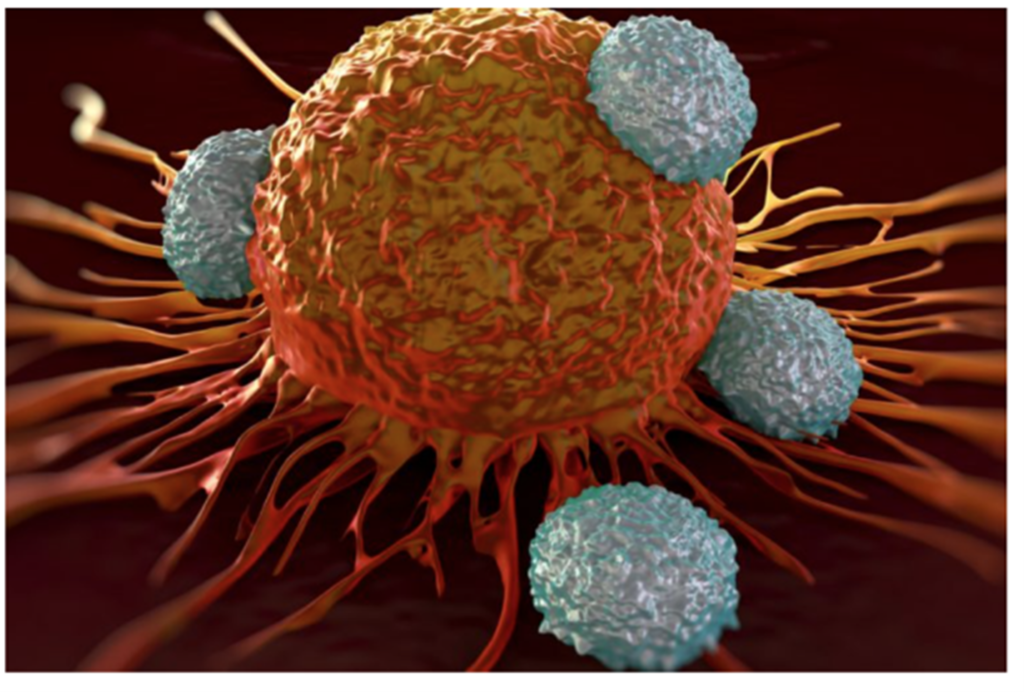
Effective immune responses are critical for control of infectious diseases as well as in protection from development of tumors. Central to the development of an effective immune response are T lymphocytes. Efficient T cell responses lead to sterilization, and long-lasting immunity. While normal immune responses are tightly regulated there are also notable defects leading to pathological diseases. Inability to recognize tumor antigens by T cells is either due to active immune-suppression or passive ignorance. Both allow tumors to grow and eventually actively suppress the overall immune response. Conversely, hyperactivation of antigen-specific T cells to self-antigens is the underlying basis for many autoimmune diseases including multiple sclerosis; arthritis; and diabetes. Secondary to their central roles regulating immune responses, my lab takes a broad-based approach to studying T cell responses.
